What Causes Cracks Inside a Watermelon? Understanding the Possible Reasons
Watermelon is one of the most refreshing fruits enjoyed around the world, especially during warm weather. Its sweet flavor, high water content, and impressive nutritional profile make it a favorite choice for families.
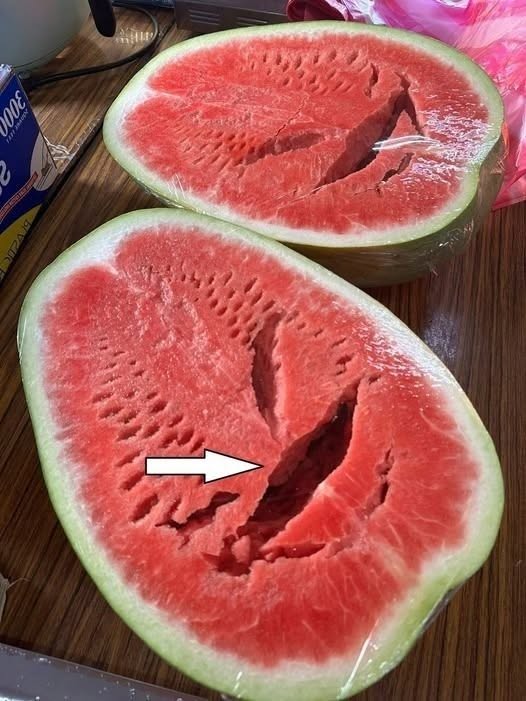
However, many people become concerned when they cut open a watermelon and discover large cracks, hollow areas, or unusual separations inside the flesh. Social media posts often claim that these watermelons are dangerous or filled with chemicals, but the reality is often more complex.
Let's take a closer look at what these internal cracks may mean and whether they should affect your decision to eat the fruit.
What Are Internal Cracks in Watermelons?
Internal cracking, sometimes called "hollow heart," is a condition that causes gaps, splits, or cavities to form inside the watermelon.
These openings can range from small cracks to large hollow sections in the center of the fruit.
While the appearance may be surprising, internal cracking is not always a sign that the watermelon is unsafe.
What Causes Hollow Heart?
Agricultural experts explain that hollow heart often develops during the growing process.
Several factors may contribute:
- Rapid growth during development
- Temperature fluctuations
- Irregular pollination
- Environmental stress
- Variations in water availability
When a watermelon grows faster than the internal tissues can properly develop, spaces may form inside the fruit.