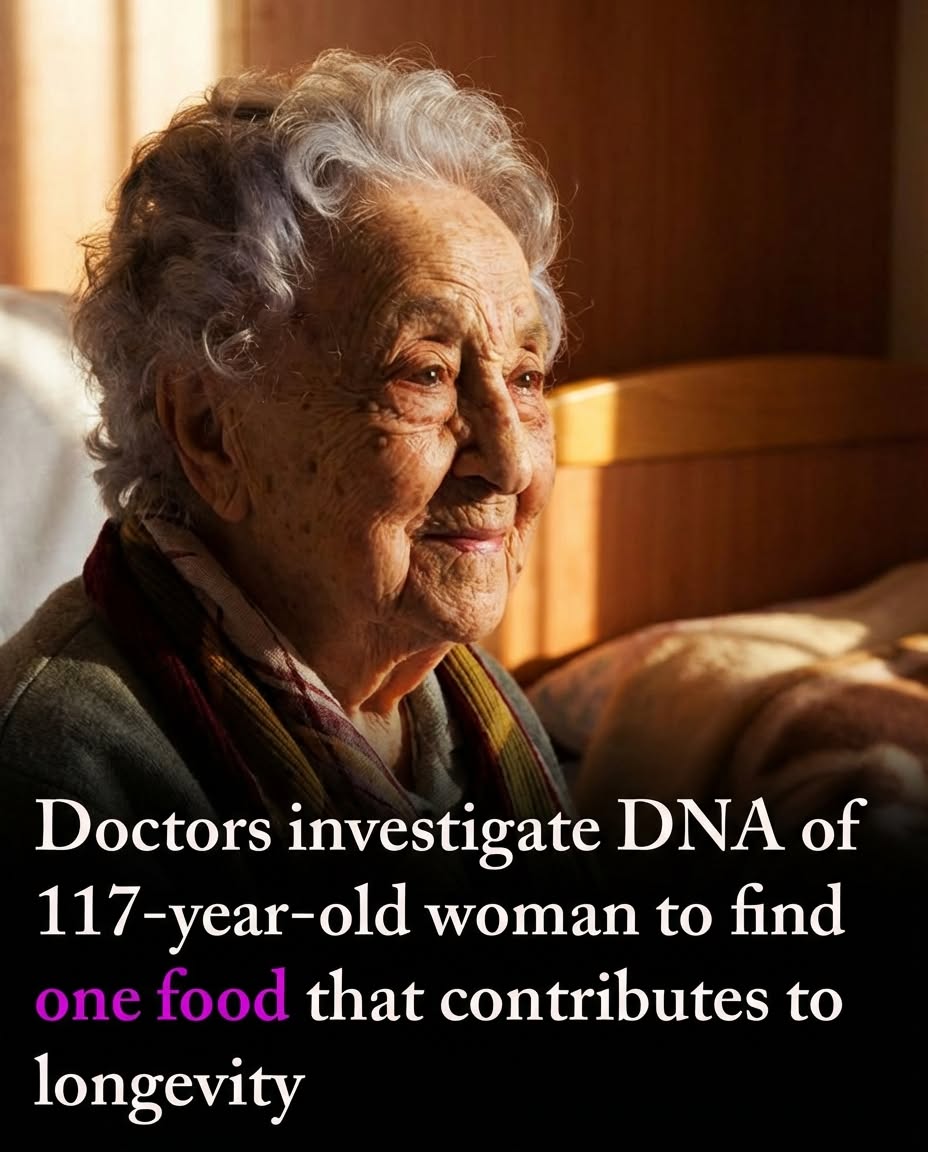
For decades, scientists have searched for the secrets behind extraordinary longevity. What allows some people to live well beyond 100 years while maintaining their independence, mental sharpness, and overall well-being? Is it genetics, lifestyle, luck, or perhaps something much simpler?
These questions gained renewed attention when researchers studied one of the world's oldest women, who lived to the remarkable age of 117. While her genetic makeup provided valuable clues, scientists were equally fascinated by her daily habits, especially one particular food she enjoyed throughout her life.
Their findings have sparked conversations around the world about healthy aging and the role nutrition may play in extending both lifespan and quality of life.
The Fascination With Supercentenarians
People who live beyond 110 years old are known as supercentenarians. They represent an extremely rare group whose lives provide researchers with unique insights into aging.
Scientists study these individuals to better understand:
- Healthy aging
- Disease resistance
- Cognitive longevity
- Lifestyle habits
- Genetic factors
While genetics certainly play a role, experts consistently find that lifestyle choices often contribute significantly to overall health and longevity.
The Search for Longevity Clues
Researchers examining exceptionally long-lived individuals typically investigate several factors:
Genetics
Certain genetic variations may help protect against age-related diseases and support cellular repair.
Physical Activity
Many centenarians remain active throughout life, often through daily movement rather than intense exercise routines.
Stress Management
Lower stress levels and strong social connections frequently appear among those who live longer lives.
Diet
Perhaps the most discussed factor is nutrition.
Scientists continue to explore how dietary patterns influence aging and disease prevention.
The Surprising Food That Drew Attention
One food often associated with long-lived populations around the world is yogurt.
Many centenarians, particularly in regions known for exceptional longevity, have regularly consumed yogurt and other fermented dairy products as part of their diets.
Researchers believe yogurt may support healthy aging due to its combination of:
- Protein
- Calcium
- Vitamins
- Probiotics
These nutrients can contribute to digestive health, bone strength, and overall wellness.
Why Fermented Foods Matter
Fermented foods have been consumed for thousands of years.
Examples include:
- Yogurt
- Kefir
- Sauerkraut
- Kimchi
- Miso
These foods contain beneficial microorganisms that help maintain a balanced gut microbiome.
Scientists increasingly recognize the importance of gut health because it may influence:
- Immune function
- Digestion