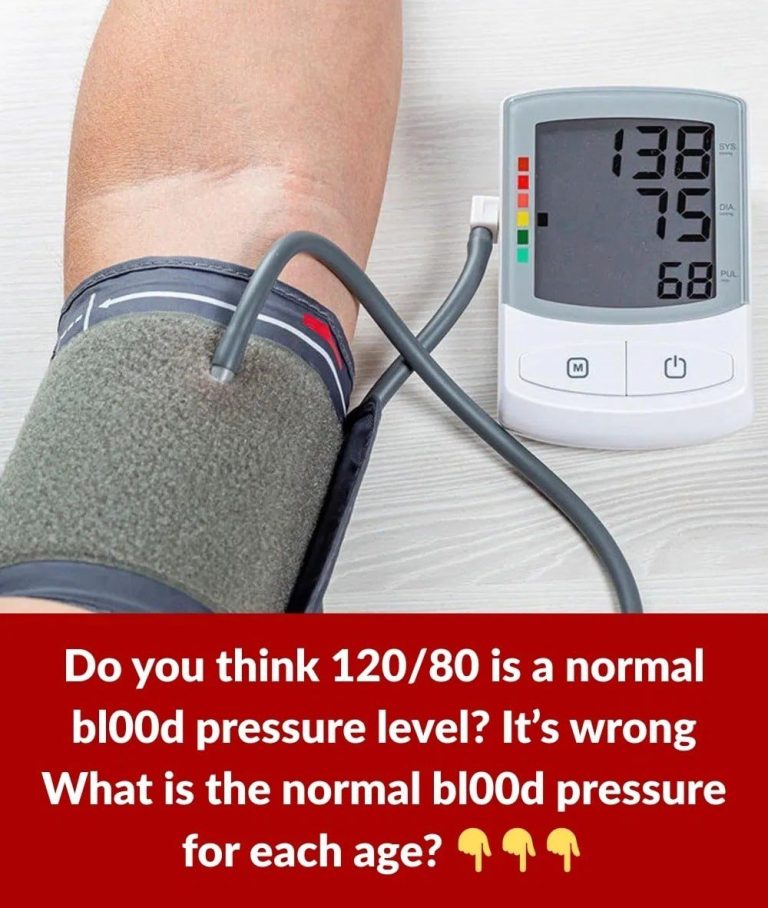
Blood pressure is one of the most important measurements used to evaluate overall cardiovascular health. Yet many people don't fully understand what their numbers mean or whether their readings fall within a healthy range.
You may have heard that 120/80 mm Hg is considered the "ideal" blood pressure. While this number is often used as a general reference point, blood pressure is influenced by many factors, including age, genetics, activity level, medical history, medications, and overall health.
Understanding your blood pressure can help you make informed decisions about your health and identify potential issues before they become serious.
In this guide, we'll explain how blood pressure works, what the numbers mean, how readings are categorized, and why monitoring blood pressure becomes increasingly important as we age.
What Is Blood Pressure?
Blood pressure measures the force of blood pushing against the walls of your arteries as your heart pumps blood throughout your body.
Every blood pressure reading consists of two numbers:
Systolic Pressure (Top Number)
This measures the pressure in your arteries when your heart contracts and pumps blood.
Example:
- 120/80
- The 120 represents systolic pressure.
Diastolic Pressure (Bottom Number)
This measures the pressure in your arteries when your heart relaxes between beats.
Example:
- 120/80
- The 80 represents diastolic pressure.
Both numbers are important indicators of cardiovascular health.