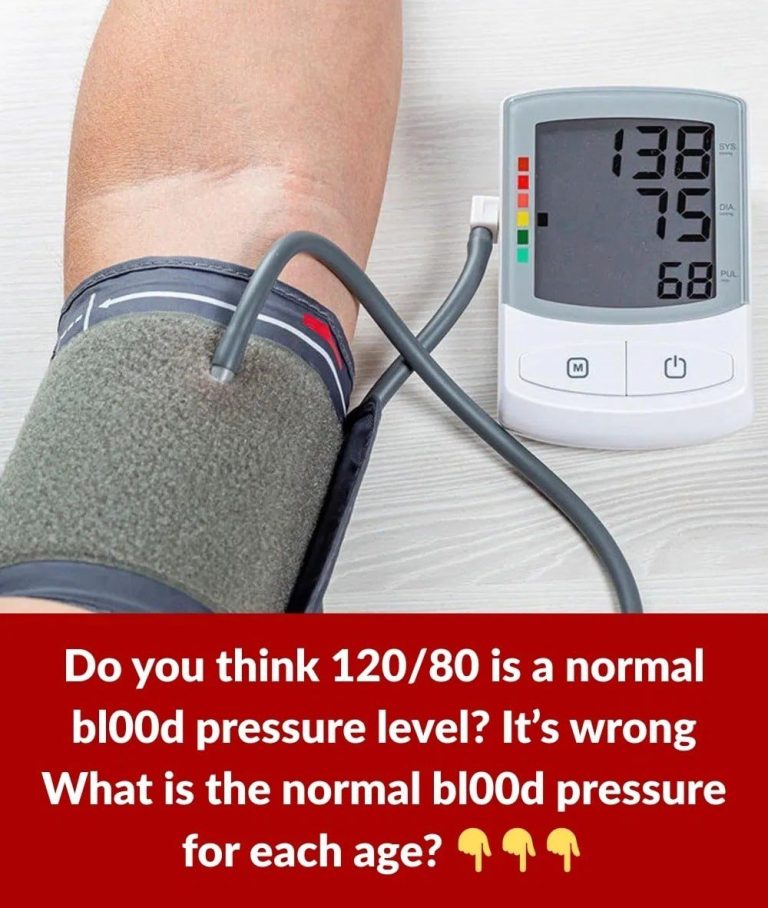
Healthy blood pressure helps ensure that organs and tissues receive enough oxygen and nutrients.
When blood pressure remains too high for extended periods, it can place additional strain on:
- The heart
- Blood vessels
- Kidneys
- Brain
- Eyes
Over time, uncontrolled high blood pressure may increase the risk of serious health complications.
Because high blood pressure often causes no obvious symptoms, it is sometimes referred to as a "silent condition."
General Blood Pressure Categories for Adults
Healthcare organizations commonly classify blood pressure readings into categories similar to the following:
| Category | Systolic (Top Number) | Diastolic (Bottom Number) |
|---|---|---|
| Low Blood Pressure | Below 90 | Below 60 |
| Healthy Range | Below 120 | Below 80 |
| Elevated | 120–129 | Below 80 |
| Stage 1 High Blood Pressure | 130–139 | 80–89 |
| Stage 2 High Blood Pressure | 140 or higher | 90 or higher |
Individual recommendations may vary depending on age, medical conditions, and professional medical guidance.
Does Blood Pressure Change With Age?
Yes.
As people get older, natural changes in the cardiovascular system can affect blood pressure.
Factors that may contribute include:
- Reduced artery flexibility
- Lifestyle habits
- Weight changes
- Physical activity levels
- Chronic health conditions
- Medication use
Although blood pressure may gradually increase with age, maintaining healthy levels remains important throughout life.
Typical Blood Pressure Trends by Age Group
It's important to remember that there is no single "perfect" number for every individual.
However, healthcare professionals often observe general trends.
Children
Children naturally have lower blood pressure than adults.
Healthy ranges depend on:
- Age
- Height
- Weight
- Sex
Pediatric blood pressure assessments are typically based on growth charts and percentiles.
Teenagers
As children grow into adolescence, blood pressure gradually approaches adult ranges.
Most healthy teenagers have readings that fall within normal limits, although values vary from person to person.
Young Adults (18–39)
Young adults often have some of the healthiest cardiovascular profiles.
Maintaining healthy habits during these years can provide long-term benefits.
Important habits include:
- Regular exercise
- Balanced nutrition
- Healthy sleep patterns
- Avoiding tobacco products
Middle-Aged Adults (40–59)
Blood pressure tends to become more important during middle age.
Many people begin to experience:
- Increased stress
- Weight gain
- Reduced physical activity
- Higher cardiovascular risk factors
Routine monitoring becomes especially valuable during this stage of life.
Older Adults (60+)
As arteries naturally become less flexible with age, maintaining healthy blood pressure can become more challenging.
Regular medical checkups, medication management when necessary, and healthy lifestyle choices play important roles in supporting cardiovascular health.
What Can Cause Blood Pressure to Rise?
Many factors may contribute to elevated blood pressure.
Common examples include:
High Sodium Intake
Excess sodium may contribute to higher blood pressure in some individuals.
Lack of Physical Activity
Regular movement helps support cardiovascular health.
Stress
Chronic stress may influence blood pressure levels over time.
Excess Weight
Carrying excess body weight can increase strain on the cardiovascular system.
Smoking
Smoking can damage blood vessels and increase cardiovascular risk.
Excessive Alcohol Consumption
Heavy alcohol use may contribute to elevated blood pressure.
How to Support Healthy Blood Pressure
Fortunately, many healthy habits can support cardiovascular wellness.
Stay Physically Active
Aim for regular exercise appropriate for your fitness level.
Activities may include:
- Walking
- Swimming
- Cycling
- Strength training
Eat a Balanced Diet
Focus on:
- Fruits
- Vegetables
- Whole grains
- Lean proteins
- Healthy fats