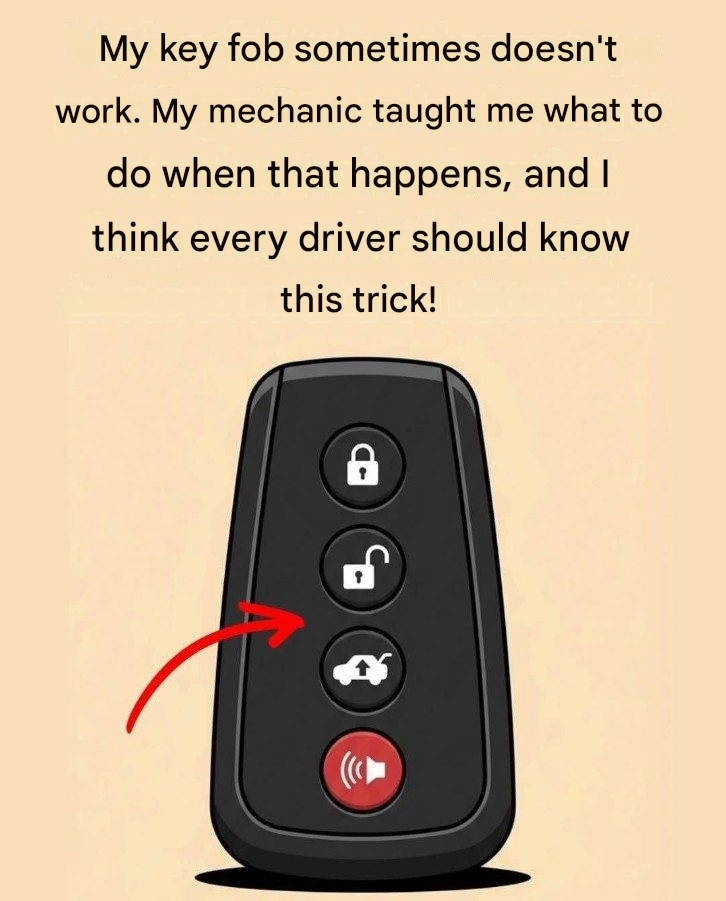
Few things are more frustrating than walking up to your car, pressing the button on your key fob, and getting absolutely no response. Whether you're heading to work, picking up the kids, or running errands, a malfunctioning key fob can quickly turn a normal day into a stressful situation.
The good news is that a key fob that suddenly stops working doesn't always mean there's a major problem with your vehicle. In many cases, the issue can be traced to a weak battery, signal interference, or a simple maintenance issue that can be resolved without an expensive repair bill.
Understanding how your key fob works—and knowing a few practical troubleshooting steps—can save time, money, and frustration when problems arise.
Why Key Fobs Are So Important Today
Modern vehicles rely heavily on electronic key fobs for convenience and security. These small devices allow drivers to:
- Lock and unlock doors remotely
- Open the trunk
- Activate panic alarms
- Start vehicles equipped with push-button ignition
- Access advanced vehicle security systems
Because key fobs are used daily, many drivers take them for granted until something goes wrong.
The Most Common Reasons a Key Fob Stops Working
Before assuming the worst, it's helpful to understand the most common causes of key fob failure.
1. A Weak or Dead Battery
The number one reason a key fob stops working is a depleted battery.
Most key fob batteries last between two and five years depending on:
- Frequency of use
- Vehicle model
- Environmental conditions
- Battery quality
As the battery weakens, you may notice:
- Reduced operating range
- Intermittent performance
- Delayed response
- The need to press buttons multiple times