Can You Naturally Repair a Cavity? Understanding What Science Says About Tooth Decay
Cavities are one of the most common dental problems worldwide. Because dental treatments can be expensive and inconvenient, many people search for natural ways to avoid fillings and improve their oral health.
As a result, social media is filled with claims that certain home remedies can completely repair cavities without professional dental care.
While maintaining good oral hygiene can help protect your teeth and may support the early stages of enamel health, it is important to understand what is scientifically possible—and what is not.
What Is a Cavity?
A cavity develops when bacteria in the mouth produce acids that gradually damage tooth enamel.
This process is often influenced by:
- Frequent consumption of sugary foods and drinks
- Poor oral hygiene
- Dry mouth
- Lack of fluoride exposure
- Inadequate dental care
Over time, the enamel can weaken and break down, creating permanent damage in the tooth structure.
Can Teeth Repair Themselves?
The outer layer of the tooth, known as enamel, cannot regenerate once a physical hole has formed.
However, there is an important distinction between:
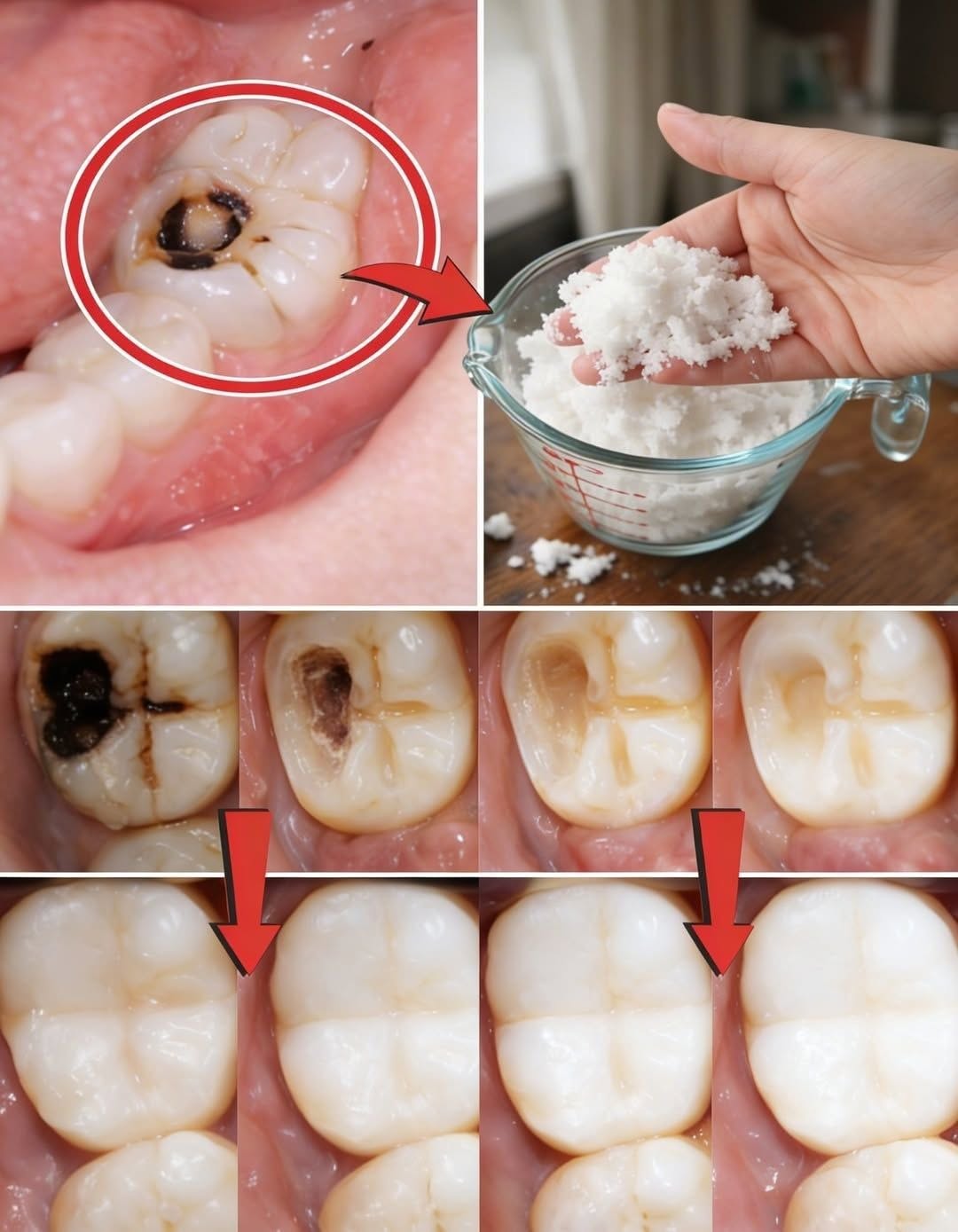
Early Enamel Demineralization
In the earliest stages of tooth decay, minerals may be lost from the enamel surface before a cavity forms.
At this stage, proper oral care may help support a process called remineralization.
Established Cavities
Once decay creates a visible hole or structural damage in the tooth, the tooth cannot naturally rebuild the missing enamel.
In these situations, professional dental treatment is typically required.