Perfectly Juicy or Not Cooked Enough? The Prime Rib Debate Explained
Few dishes create as much discussion at the dinner table as a beautifully roasted prime rib.
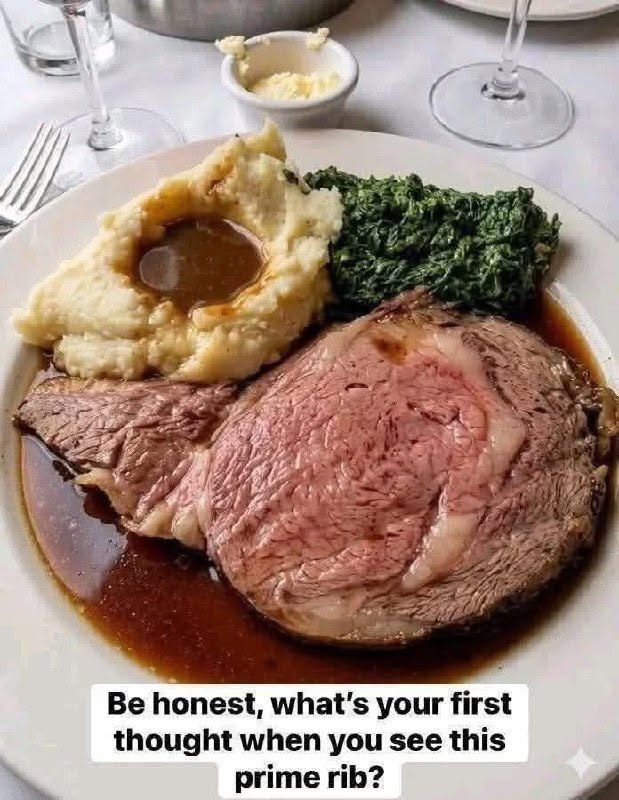
For some, the sight of a warm pink center signals perfection—a tender, flavorful cut cooked exactly as intended. For others, the same slice may appear undercooked and leave them wishing for a few more minutes in the oven.
This difference in opinion has fueled countless conversations among home cooks, restaurant guests, and professional chefs alike.
So who is right?
The answer largely comes down to personal preference, but understanding how prime rib is traditionally prepared can help explain why this iconic roast looks the way it does.
What Makes Prime Rib Special?
Prime rib comes from one of the most tender sections of the beef rib primal.
Because this area of the animal does relatively little work, the meat develops:
- Excellent tenderness
- Rich marbling
- Deep beef flavor
- Natural juiciness
These qualities make prime rib one of the most sought-after cuts for special occasions and holiday meals.
Why Prime Rib Is Usually Served Pink
One of the defining characteristics of prime rib is its rosy center.
Unlike tougher cuts that benefit from extended cooking, prime rib is often roasted to preserve its tenderness and moisture.
Many chefs prefer serving prime rib at:
Medium-Rare
Internal temperature: approximately 130–135°F (54–57°C)
Characteristics:
- Warm red-pink center
- Maximum tenderness
- Excellent juiciness
Medium
Internal temperature: approximately 135–145°F (57–63°C)
Characteristics:
- More pink than red
- Slightly firmer texture
- Still very juicy
Cooking beyond these temperatures can gradually reduce moisture and tenderness.