Homemade Weed Control: Understanding Popular DIY Garden Sprays
Keeping weeds under control is one of the biggest challenges for gardeners and homeowners. Whether they appear between patio stones, along fence lines, or in gravel pathways, unwanted plants can quickly spread and compete with desirable landscaping.
As a result, many people search for affordable alternatives to commercial weed-control products. Homemade weed sprays made from common household ingredients have become especially popular because they are easy to prepare and inexpensive.
While some DIY mixtures may help manage certain weeds, understanding how they work—and their limitations—is important before using them around your home and garden.
Why Gardeners Use Homemade Weed Sprays
There are several reasons why homeowners experiment with DIY weed-control methods:
- Affordable ingredients
- Easy preparation
- Readily available household supplies
- Useful for small problem areas
- Convenient spot treatment
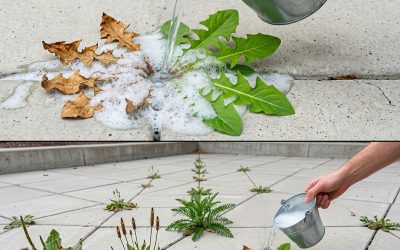
These homemade solutions are often used on:
- Driveways
- Sidewalk cracks
- Gravel paths
- Patio joints
- Fence lines
Areas where desirable plants are not growing are generally the safest places for spot treatments.
How Many Homemade Weed Sprays Work
Most DIY weed-control mixtures rely on ingredients that affect the visible parts of a plant.
When sprayed directly onto leaves, certain ingredients may damage plant tissues, causing:
- Wilting
- Browning
- Drying of foliage