DIY Natural Weed Control: Understanding the Vinegar, Salt, and Soap Method
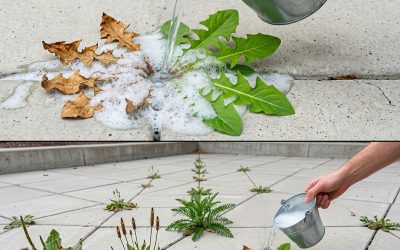
Keeping weeds under control is an ongoing challenge for gardeners, homeowners, and landscaping enthusiasts. Whether they appear in driveway cracks, patio joints, gravel paths, or along fence lines, unwanted weeds can quickly take over outdoor spaces and affect the appearance of a well-maintained yard.
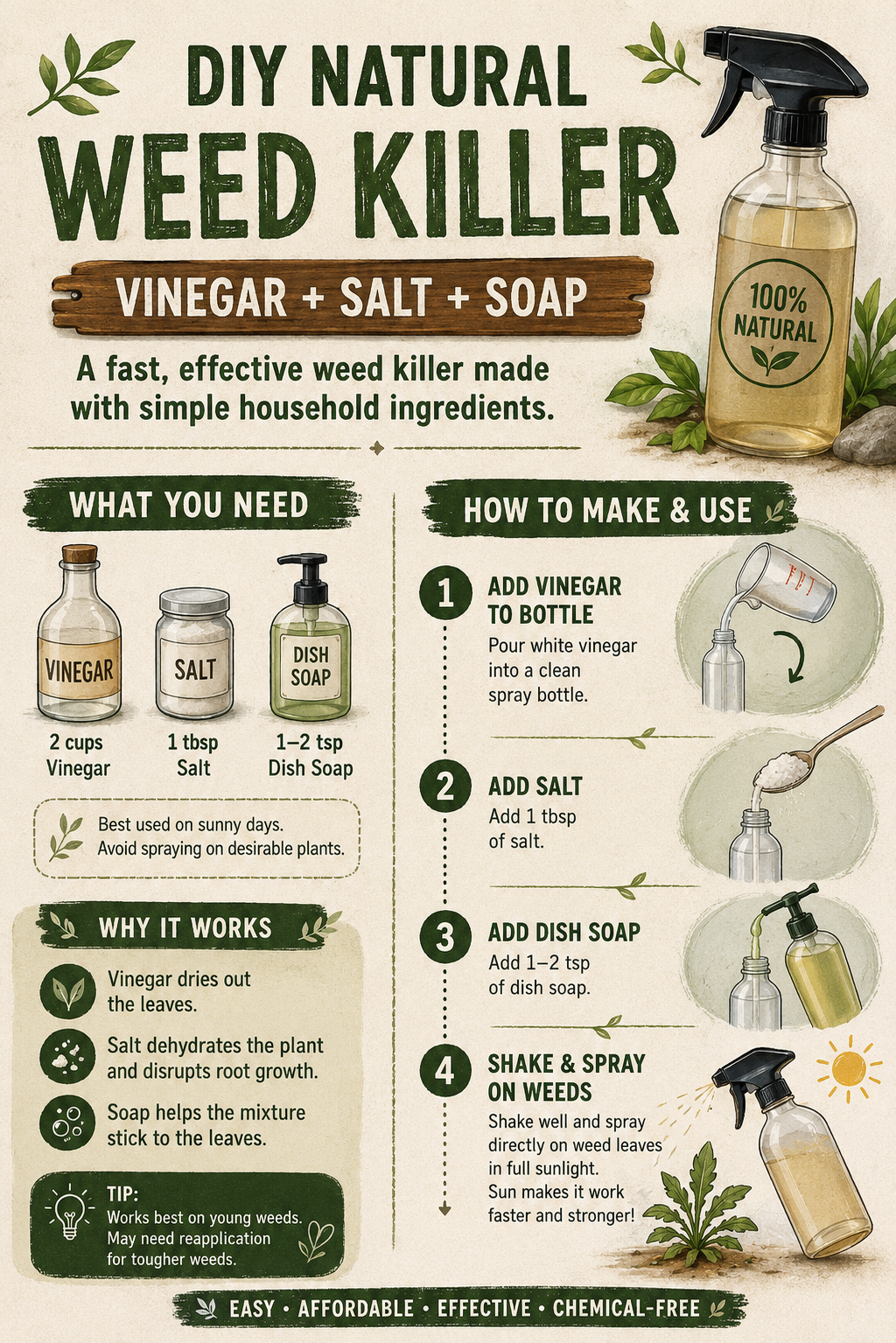
Because of this, many people look for simple and affordable alternatives to commercial weed-control products. One of the most widely shared homemade solutions combines vinegar, salt, and dish soap.
This DIY mixture has become popular because the ingredients are inexpensive, easy to find, and simple to mix. However, understanding how each ingredient works—and where this method is most appropriate—is essential before applying it around your property.
Why Homemade Weed Solutions Have Become Popular
Many gardeners are attracted to DIY methods because they:
- Use common household ingredients
- Cost less than many commercial products
- Are easy to prepare
- Can be applied directly to small problem areas
- Require minimal equipment
While homemade weed-control methods can be useful in certain situations, they are not always suitable for every area of the landscape.
The Three Main Ingredients
A typical homemade weed-control mixture often includes:
White Vinegar
Vinegar contains acetic acid, which can affect plant tissues when sprayed directly onto leaves.
When exposed to sunlight, treated foliage may begin to wilt and dry out. Young weeds often show visible effects more quickly than mature plants.
Salt
Salt is sometimes included because it can contribute to the drying process.
However, gardeners should use caution with salt because it may remain in the soil and affect future plant growth.
This is one reason why many experts recommend limiting salt-based treatments to areas where no desirable plants are growing.