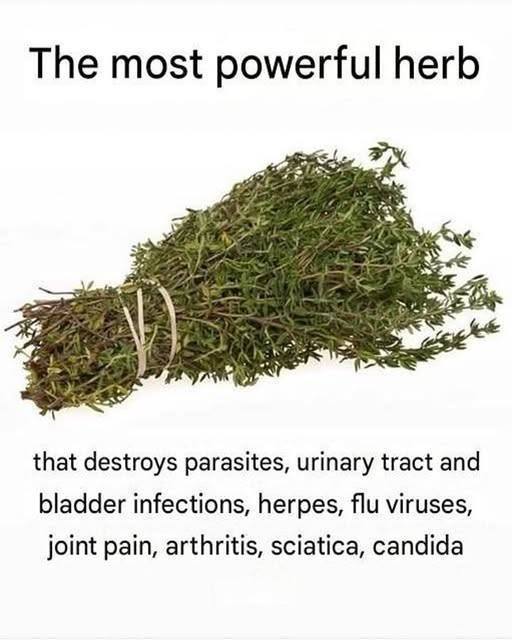
Researchers have been particularly interested in oregano because of its naturally occurring antioxidant and antimicrobial compounds.
Laboratory studies have shown that some oregano compounds can affect certain bacteria, fungi, and microorganisms under controlled conditions.
However, laboratory findings do not automatically mean the same effects occur in the human body.
This distinction is important because many online claims go far beyond what current evidence supports.
1. Oregano Is Rich in Antioxidants
One of oregano's most widely recognized benefits is its antioxidant content.
Antioxidants help protect cells from oxidative stress, a natural process associated with aging and environmental factors.
A diet rich in antioxidant-containing foods may support overall wellness and contribute to long-term health.
Many nutrition experts encourage consuming a variety of herbs, fruits, vegetables, and whole foods that naturally contain antioxidants.
2. Supporting a Healthy Immune System
A healthy immune system depends on many factors, including:
- Balanced nutrition
- Adequate sleep
- Regular exercise
- Stress management
- Overall lifestyle habits
Because oregano contains beneficial plant compounds, it is often included as part of a nutrient-rich diet that supports general wellness.
However, no herb should be viewed as a substitute for medical treatment or preventive healthcare.
3. Potential Antimicrobial Properties
Scientists have studied compounds such as carvacrol and thymol because of their activity in laboratory settings.
These compounds have demonstrated antimicrobial effects in certain research environments.
However, this does not mean oregano can cure bacterial, fungal, viral, or parasitic infections in humans.
Individuals with suspected infections should always seek guidance from qualified healthcare professionals.
4. Oregano and Digestive Wellness
Herbs and spices have long been used to support healthy digestion.
Oregano is often included in meals because it may:
- Add flavor without extra sodium
- Complement nutrient-rich foods
- Support a varied diet
Many traditional wellness systems have historically incorporated oregano into digestive practices, although scientific evidence varies depending on the specific claim being made.
5. Oregano's Role in a Healthy Diet
One of the simplest ways to benefit from oregano is by using it as part of a balanced eating pattern.
It pairs well with:
- Vegetables
- Whole grains
- Lean proteins
- Legumes
- Healthy fats
Adding herbs and spices can make nutritious meals more enjoyable while reducing the need for excess salt.
Common Health Claims About Oregano
Many articles online make bold claims about oregano's ability to treat numerous medical conditions.
Let's separate fact from fiction.
Claim: Oregano Cures Viral Infections
There is currently no evidence that oregano can cure viral illnesses in humans.
While certain compounds have shown activity in laboratory studies, medical treatment decisions should never be based solely on these findings.
Claim: Oregano Eliminates Parasites
Some preliminary research has explored oregano's effects on microorganisms, but oregano should not be considered a proven treatment for parasitic infections.
Anyone concerned about parasites should seek medical evaluation.
Claim: Oregano Can Replace Antibiotics
Oregano is not a substitute for prescribed antibiotics.
Healthcare professionals determine treatment plans based on the specific condition, severity, and individual patient needs.