A family history of aneurysms may increase risk.
Aging
Risk tends to increase with age.
Atherosclerosis
The buildup of plaque inside arteries can weaken blood vessel walls.
Certain Genetic Conditions
Some inherited disorders affect connective tissue strength and may increase aneurysm risk.
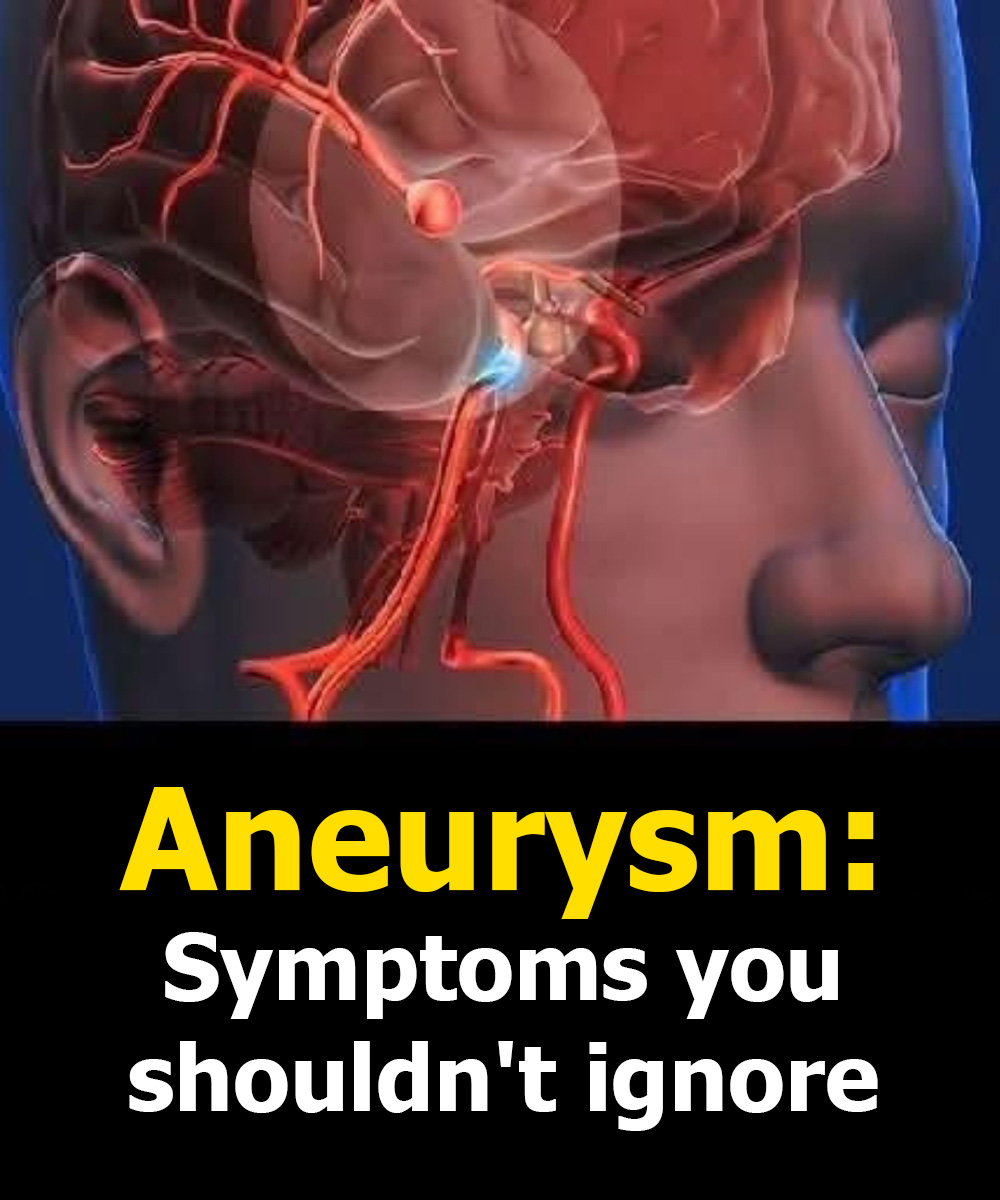
Warning Signs of a Brain Aneurysm
Many unruptured brain aneurysms cause no symptoms.
However, larger aneurysms may press on nearby nerves and structures.
Possible symptoms include:
Persistent Headaches
Recurring or unusual headaches may warrant medical evaluation.
Eye Pain
Pain behind or around the eye can sometimes occur.
Vision Changes
Symptoms may include:
- Blurred vision
- Double vision
- Difficulty focusing
Drooping Eyelid
Pressure on nearby nerves may affect eyelid function.
Facial Numbness
Some individuals experience numbness or weakness on one side of the face.
Symptoms of a Ruptured Brain Aneurysm
A ruptured aneurysm is a medical emergency.
Common symptoms include:
Sudden Severe Headache
Often described as:
"The worst headache of my life."
Nausea and Vomiting
These symptoms may appear suddenly.
Stiff Neck
Neck stiffness frequently accompanies bleeding around the brain.
Sensitivity to Light
Bright lights may become extremely uncomfortable.
Confusion or Altered Mental Status
Mental clarity may rapidly decline.
Seizures
Some individuals experience seizures.
Loss of Consciousness
Severe cases may result in collapse or unconsciousness.
Abdominal Aortic Aneurysm Symptoms
An aneurysm can also develop in the abdominal portion of the aorta.
Possible symptoms include:
- Deep abdominal pain
- Back pain
- A pulsating sensation in the abdomen
- Persistent discomfort that doesn't improve
A ruptured abdominal aortic aneurysm can cause:
- Sudden severe pain
- Dizziness
- Rapid heartbeat
- Shock
- Loss of consciousness
Emergency treatment is critical.
How Doctors Diagnose Aneurysms
Aneurysms are often discovered using imaging tests such as:
CT Scan
Provides detailed images of blood vessels and surrounding structures.
MRI
Creates detailed images of soft tissues and blood vessels.
Ultrasound
Often used to screen for abdominal aortic aneurysms.
Angiography
Allows doctors to examine blood flow and vessel structure in detail.
Treatment Options
Treatment depends on:
- Aneurysm size
- Location
- Growth rate
- Overall patient health
Options may include:
Monitoring
Small aneurysms may simply be monitored with periodic imaging.
Medication
Managing blood pressure can reduce stress on blood vessel walls.
Surgical Repair
Some aneurysms require surgery to prevent rupture.
Endovascular Procedures
Minimally invasive techniques may be used in certain cases.